Nemzetek kincsei: Magyar és kínai népi hangszerek
Típus alkalmi bélyegkisív
Rövid leírás A Magyar Posta a magyar–kínai kulturális és diplomáciai kapcsolatok sokszínűségét bemutató, többéves bélyegsorozat kialakítását tervezi, melynek a „Nemzetek kincsei” nevet adta.
Gyártó nyomda Pénzjegynyomda Zrt. (kisív), Pátria Zrt. (boríték)
Kiadás éve 2026
Kibocsátás időpontja 2026. február 4.
Perforációs méret 25,2 x 25,2 mm
Példányszám 20000
Névérték 4720
Téma művészet
Tervező Baticz Barnabás
Nemzetek kincsei: Magyar és kínai népi hangszerek
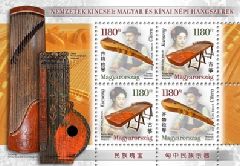
A Magyar Posta a magyar–kínai kulturális és diplomáciai kapcsolatok sokszínűségét bemutató, többéves bélyegsorozat kialakítását tervezi, melynek a „Nemzetek kincsei” nevet adta. Az első kibocsátás témája a „magyar és kínai népi hangszerek”, melynek keretén belül kiadott bélyegkisíven a magyar citera és a kínai kucseng jelenik meg. A kibocsátás igazodik a Kínai Népköztársaság köszöntésére a Kínai Tavaszünnephez. Az újdonság Baticz Barnabás tervei alapján 20.000 példányban a Pénzjegynyomda Zrt.-ben készült. 2026. február 4-től kapható az elsőnapi postákon, a Filapostán, továbbá meg-rendelhető a Magyar Posta internetes áruházán keresztül is. A citera és a kucseng – hagyományos húros, pengetéssel megszólaltatott hangszerként – a két ország zenei hagyományait és kulturális kapcsolódását szimbolizálják. A citera az egyik legelterjedtebb magyar népi hangszer, bár a megnevezése a 19. század első felére tehető. Játék közben asztalra, állványra helyezhető, húrjainak száma a kialakítástól függően változó, általában 16-18 db. A hangszer a hagyományos magyar közösségek zenei életében volt jelen, megszólaltatták közösségi munkaalkalmak idején, bálokon, lakodalmakban. Gyakori megjelenése egyszerű felépítésének, könnyű kialakításának köszönhető, továbbá annak, hogy akár gyermekek is könnyen elsajátíthatják a hangszeren történő játékot. A vendéghúrok segítségével a fő dallam mellett egy egyszerű kíséret is megszólaltatható. Az újraéledő népzenei mozgalmaknak köszönhetően ma is széles körben elterjedt. A kucseng népszerű kínai, fából készült hangszer, melyen napjainkban 21 db selyemhúr található, a húrokat külön mozgatható húrlábak osztják két részre – ezáltal a hangszeren további magasabb és mélyebb hangok is lejátszhatók. A hangszert állványra helyezve használják. Hagyományos pengetős húros hangszer, a han nép egyik ősi nemzeti hangszere, amely az egész országban elterjedt, népszerűsége ma is tart. Széles hangterjedelme, szép és kellemes hangszíne, gazdag játéktechnikája és erőteljes kifejezőkészsége miatt „a hangszerek királyának” nevezik, és „a Kelet zongorájaként” is ismert; Kína egyik egyedülálló és fontos nemzeti hangszere. (Forrás: www.neprajz.hu,wikipedia) A bélyegkisívben található kétféle bélyegképen, az alkalmi borítékon és az elsőnapi bélyegzésű alkalmi borítékon (FDC) található bélyegző lenyomatán a magyar és kínai hangszer motívumai láthatók.
Treasures of Nations: Hungarian and Chinese Folk Instruments
Magyar Posta is planning to create a multi-year stamp series showcasing the diversity of Hungarian-Chinese cultural and diplomatic relations, which it has named “Treasures of Nations”. The theme of the first issue is “Hungarian and Chinese Folk Instruments”, and the Hungarian zither and the Chinese kucheng appear on the stamp sheet issued within the framework of this series. The issue is aligned with the greetings of the People's Republic of China to the Chinese Spring Festival. The novelty was produced in 20,000 copies by Pénzjegynyomda Zrt. based on the designs of Barnabás Baticz. It will be available from February 4, 2026 at first-day post offices, Filaposta, and can also be ordered through Magyar Posta's online store. The zither and the kucseng – as traditional stringed instruments played by plucking – symbolize the musical traditions and cultural connections of the two countries. The zither is one of the most widespread Hungarian folk instruments, although its name dates back to the first half of the 19th century. It can be placed on a table or stand while playing, and the number of its strings varies depending on the design, usually 16-18. The instrument was present in the musical life of traditional Hungarian communities, and was played during community work occasions, at balls, and at weddings. Its frequent appearance is due to its simple structure and easy design, and to the fact that even children can easily learn to play the instrument. With the help of guest strings, a simple accompaniment can be played in addition to the main melody. Thanks to the reviving folk music movements, it is still widely used today. The kucheng is a popular Chinese wooden musical instrument, which today has 21 silk strings, the strings are divided into two parts by separately movable bridge strings - this allows the instrument to play higher and lower notes. The instrument is used on a stand. It is a traditional plucked string instrument, one of the ancient national instruments of the Han people, which is widespread throughout the country and remains popular today. Due to its wide range of sound, beautiful and pleasant timbre, rich playing technique and powerful expressiveness, it is called the "king of instruments" and is also known as the "piano of the East"; it is one of the unique and important national instruments of China. (Source: www.neprajz.hu,wikipedia) The motifs of Hungarian and Chinese musical instruments can be seen on the stamp impression on the two types of stamps in the stamp sheet, the commemorative envelope and the first day cover (FDC).